
Our Services
Helping People Find their Voice
We strive to provide compassionate speech & language therapy, helping children and adults communicate with confidence through individualized, evidenced-based online and in-person therapy. We provide:
Speech & Language Assessment
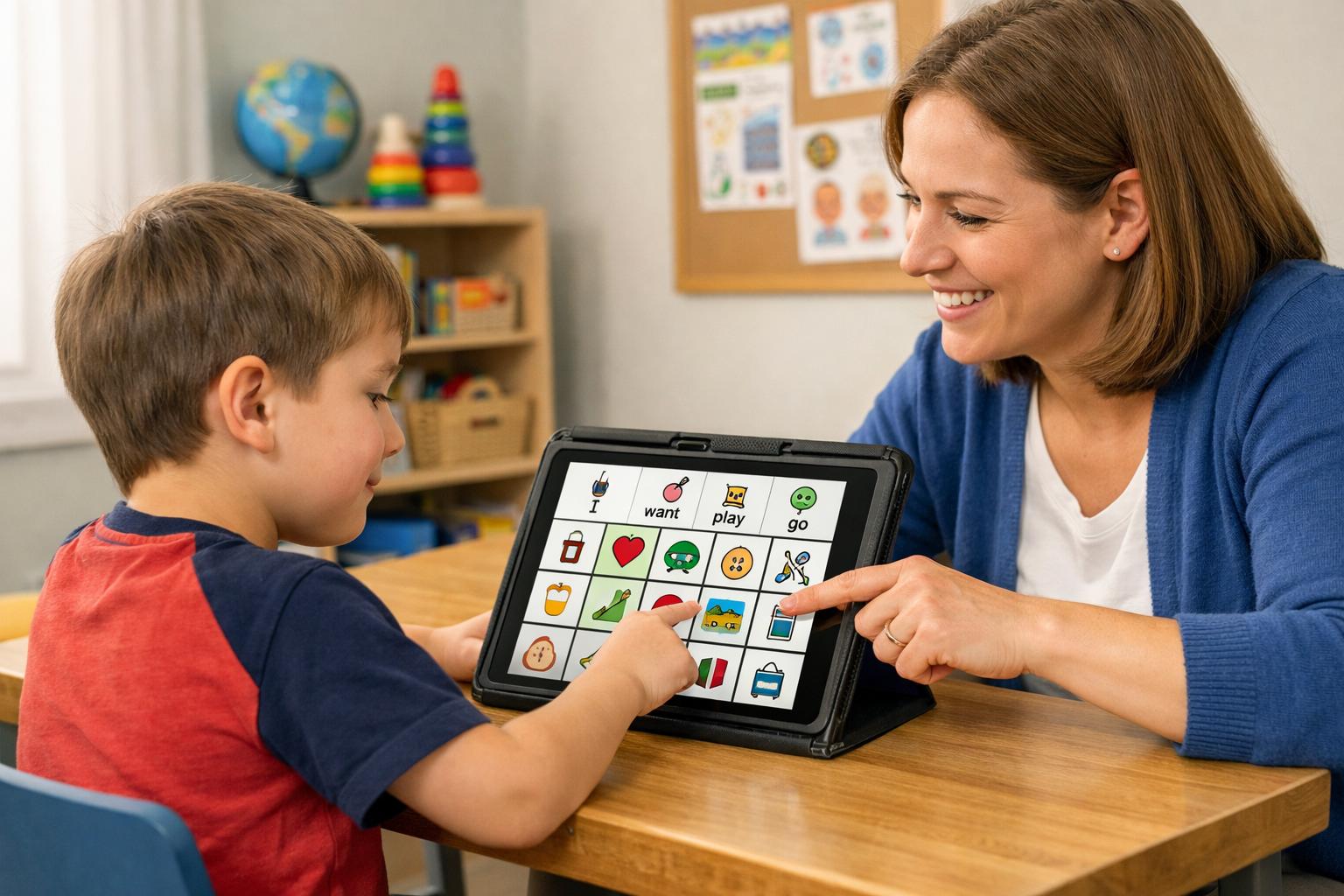
Understanding how your child communicates
Is the first step toward helping them communicate more effectively. We provide individualized speech and language assessments to identify areas of difficulty, understand your child's communication strengths, and determine whether speech-language therapy may be beneficial. Assessment Areas:
Articulation & Speech Sound Assessment
Evaluates how a child produces speech sounds and whether sound errors are affecting how well they are understood by family members, teachers, peers, and others.
Receptive & Expressive Language Assessment
Looks at how a child understands language and how they communicate their thoughts, needs, and ideas. This may include difficulty following directions, understanding information, answering questions, using words or sentences, or communicating as much as expected for their age.
Fluency Assessment
Evaluates speech fluency and patterns of disfluency, including repetitions, prolongations, blocks, and other characteristics associated with stuttering.
Pragmatic Language Assessment
Examines how a child uses language socially, including conversational skills, understanding social cues, adapting communication to different people and situations, and using appropriate tone, eye contact, and other social communication behaviors.
What to Expect
An assessment begins with a review of your child's speech and language history, developmental history, and any other relevant information. Depending on your child's needs, the evaluation may include standardized assessments, observation, conversation, play-based activities, and structured speech or language tasks.
Following the evaluation, you will receive an explanation of the findings and recommendations for next steps.
Fluency Therapy
Helping individuals communicate with greater confidence and comfort.
Everyone experiences occasional disruptions in speech. For some individuals, however, repetitions, prolongations, blocks, or other disfluencies may interfere with communication or create frustration and anxiety around speaking.
Fluency Assessment:
A fluency evaluation looks at an individual's speech patterns across different situations and helps determine how fluency is affecting communication.
The evaluation may include:
Conversation
Reading or structured speaking activities
Analysis of speech disfluencies
Speech and language history
Discussion of communication concerns and goals
The evaluation may include:
Conversation
Reading or structured speaking activities
Analysis of speech disfluencies
Speech and language history
Discussion of communication concerns and goals
Stuttering Therapy:
Treatment is individualized to the person's age, communication needs, and goals.
Therapy may incorporate strategies related to:
Speech rate and pacing
Breathing and speech production
Stuttering modification
Communication confidence
Reducing avoidance of speaking situations
Improving overall communication effectiveness
Therapy may incorporate strategies related to:
Speech rate and pacing
Breathing and speech production
Stuttering modification
Communication confidence
Reducing avoidance of speaking situations
Improving overall communication effectiveness
The focus is on helping individuals develop communication skills and confidence while creating a supportive environment in which they can communicate comfortably.
Speech & Language Therapy
Therapy is individualized to your child's communication needs, strengths, and goals.
Treatment may focus on improving speech clarity, understanding and using language, social communication, fluency, or other communication skills identified during the evaluation.
Articulation & Speech Sound Therapy
Speech sound therapy helps children develop clearer and more accurate speech production.
Treatment may include:
Learning correct placement and production of speech sounds
Practicing sounds in isolation, words, phrases, and conversation
Visual and auditory feedback
Structured practice and repetition
Strategies to help carry new speech skills into everyday communication
Treatment may include:
Learning correct placement and production of speech sounds
Practicing sounds in isolation, words, phrases, and conversation
Visual and auditory feedback
Structured practice and repetition
Strategies to help carry new speech skills into everyday communication
The goal is to help your child communicate more clearly and confidently across the people and environments that matter most.
Receptive & Expressive Language Therapy
Treatment is tailored to your child's current abilities and functional communication goals.
Language therapy supports children who have difficulty understanding language, expressing themselves, or both.
Therapy may address:
Following directions
Understanding questions and information
Vocabulary development
Combining words and forming sentences
Answering and asking questions
Storytelling and sequencing
Expressing thoughts, wants, needs, and ideas
Understanding and using more complex language
Therapy may address:
Following directions
Understanding questions and information
Vocabulary development
Combining words and forming sentences
Answering and asking questions
Storytelling and sequencing
Expressing thoughts, wants, needs, and ideas
Understanding and using more complex language
Pragmatic & Social Communication Therapy
Social communication therapy helps children develop the skills they need to communicate successfully with others.
Treatment may address:
Starting and maintaining conversations
Taking turns
Staying on topic
Understanding social cues
Using appropriate tone and language
Adjusting communication for different people and situations
Perspective-taking
Problem-solving during social interactions
Treatment may address:
Starting and maintaining conversations
Taking turns
Staying on topic
Understanding social cues
Using appropriate tone and language
Adjusting communication for different people and situations
Perspective-taking
Problem-solving during social interactions
Visual supports, structured activities, role-play, and real-world practice may be incorporated when appropriate.
Communication Device Support
When speech alone isn't enough
The right communication system can give a child another way to express themselves. We provide support for children who use or may benefit from Augmentative and Alternative Communication (AAC).
Services Include:
- AAC evaluations
- Communication device and system selection
- Communication application support
- Programming and customization
- Family and caregiver training
- Communication strategy development
- Support for integrating AAC into everyday routines
AAC can supplement spoken communication or provide an alternative means of communication for individuals who have difficulty communicating through speech alone.
Our goal is not simply to provide a device. It is to help develop a communication system that is practical, functional, and meaningful for the individual and the people they communicate with.
Service Area
How we help
We service the greater Chattanooga area with home based therapy, where we come to you.
Our home office is based out of Marion County Tennessee for office appointments.
Teletherapy is currently available for Tennessee and will extent to Georgia and Alabama in the future.
Our home office is based out of Marion County Tennessee for office appointments.
Teletherapy is currently available for Tennessee and will extent to Georgia and Alabama in the future.